
AMD’s new RX 9000 Series graphics cards have been turning heads for a good reason—they offer excellent value. But with the global DRAM shortage threatening to drive prices up, now could be the perfect time to explore the used market. And what better choice than AMD’s most powerful gaming graphics card ever—a card that sometimes even outperforms the latest RX 9070 XT?
The RX 7900 XTX remains AMD’s most powerful pure gaming GPU
AMD has given up on high-end gaming graphics cards, which is evident by the fact that AMD’s current RX 9000 Series doesn’t even include a 9080 or 9080 XT in its lineup.
The best card AMD currently offers is the RX 9070 XT, which trades blows with the NVIDIA RTX 5070 Ti. AMD doesn’t offer anything that comes close to the most powerful gaming graphics card on the market, the RTX 5090, or even the significantly cheaper RTX 5080.
However, just a generation of GPUs ago, AMD did offer a few mid-to-high-end graphics cards.
The most powerful of these cards, and still the most powerful AMD card to date, was the RX 7900 XTX. The card’s performance in raw rasterization was roughly on par with the RTX 4080, despite coming in at $200 less, with an MSRP of $999.
Although the RX 7900 XTX has slightly worse ray-tracing performance than the RTX 4080, and AMD’s older version of FSR upscaling technology, which the card supports, isn’t as strong as DLSS, the RX 7900 XTX is a true representation of AMD’s “brute-force” approach, providing more power while still beating NVIDIA on price.
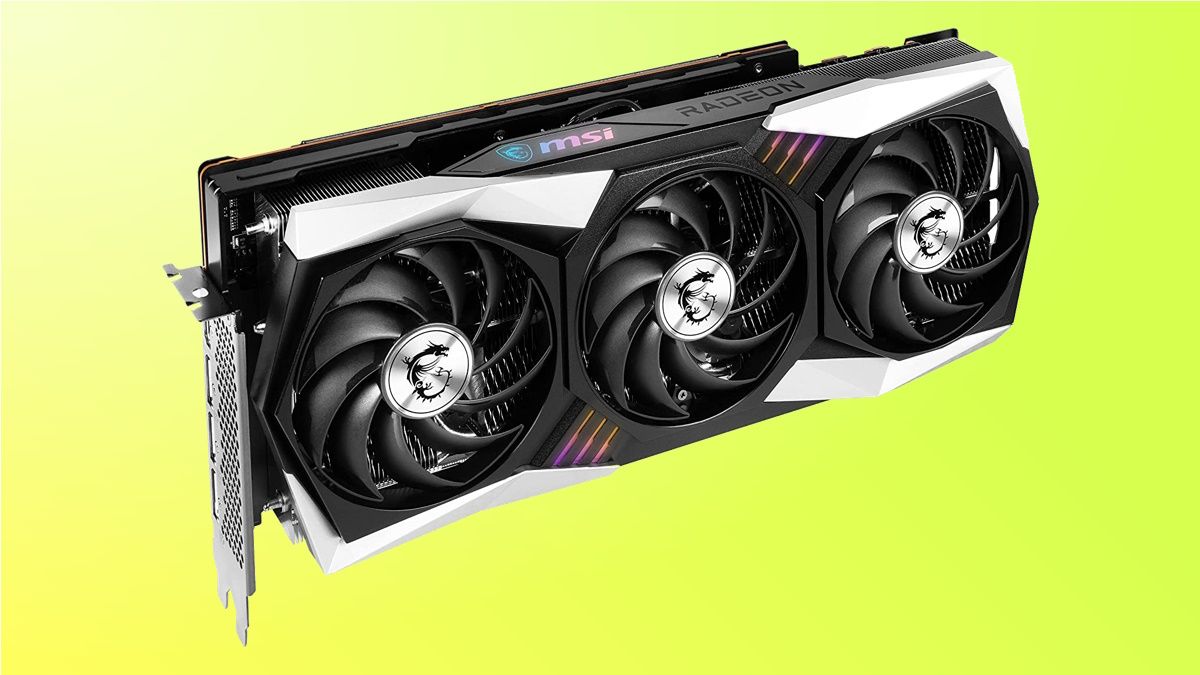
Thanks to this card’s raw power and its impressive 24GB of GDDR6 384-bit VRAM, it is still capable of running demanding games like Horizon Forbidden West and Kingdom Come: Deliverance II at 4K ultra settings with over 60 FPS. That’s an impressive feat for a card that’s now three years old.
It actually remains one of the top GPUs, ranked sixth on TechPowerUp’s relative performance chart, with the RX 9070 XT trailing by 6%.
If you want to see how the RX 7900 XTX’s 96 RDNA 3 compute units and 2500 MHz boost clock compare to the RX 9070 XT’s 64 RDNA 4 compute units and 2500 MHz boost clock, check out this video comparison by Terra Ware:
As shown, the RX 7900 XTX pulls ahead of the RX 9070 XT in several games by a few FPS, while in others, the performance is roughly on par. Thanks to AMD’s improvements in ray tracing for the RX 9000 Series, the 9070 XT can edge out a few extra frames in ray-traced titles.
Tom’s Hardware’s tests largely support this, with the RX 7900 XTX holding a slight advantage in non-ray-tracing scenarios.
It’s one of the cheapest ways to get 24GB of VRAM on a high-end card

One of the big advantages of the RX 7900 XTX is that it’s one of the few gaming-oriented graphics cards that provides 24 GB of VRAM. In fact, only the RTX 3090, 3090 Ti, 4090, and 5090 (which has 32 GB) offer this much VRAM in consumer-grade, gaming-focused cards.
Although gamers probably can’t benefit from more than 16GB of VRAM in the vast majority of scenarios, even at 4K ultra settings, that doesn’t mean that games in the future won’t be able to take advantage of the extra VRAM. History has shown that VRAM requirements tend to rise over time, and this extra headroom can help the RX 7900 XTX remain relevant for years to come.
Even today, all that extra VRAM means the GPU doesn’t have to move data to system RAM, which can improve 1% and 0.1% lows and reduce stutter—something that can be especially important in online games.
That said, you shouldn’t buy an RX 7900 XTX just because it has a ton of VRAM if your use case is strictly gaming.
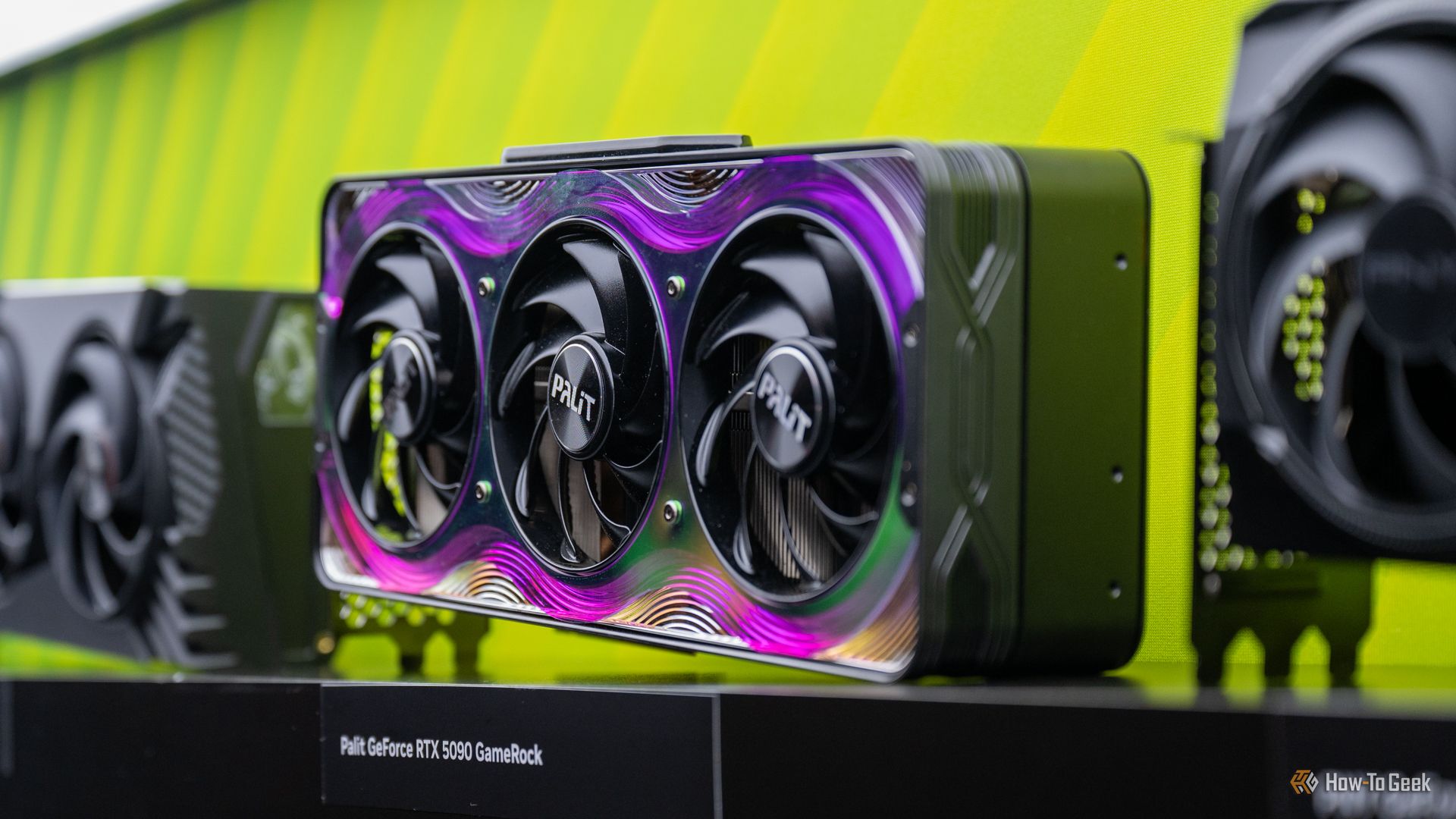
The extra VRAM really comes into its own if your job or side projects can take advantage of it. Programs for 3D modeling and rendering, like Blender, can use the extra memory to store high-resolution textures, complex shaders, and high-polygon models. Video editing software is another notorious VRAM hog, especially when working with 8K footage.
Perhaps one of the most common ways to utilize 24 GB of VRAM today is for running AI LLMs locally. With more VRAM, you can run larger batches and bigger models that other gaming cards can’t fit into memory.
Although AMD’s cards generally fall behind NVIDIA in AI benchmarks, the RX 7900 XTX was still able to outperform even significantly more powerful cards like the RTX 4090 in DeepSeek benchmarks, according to AMD, and as reported by Tom’s Hardware.
Lack of FSR 4 support hurts its long-term appeal compared to newer RDNA 4 cards
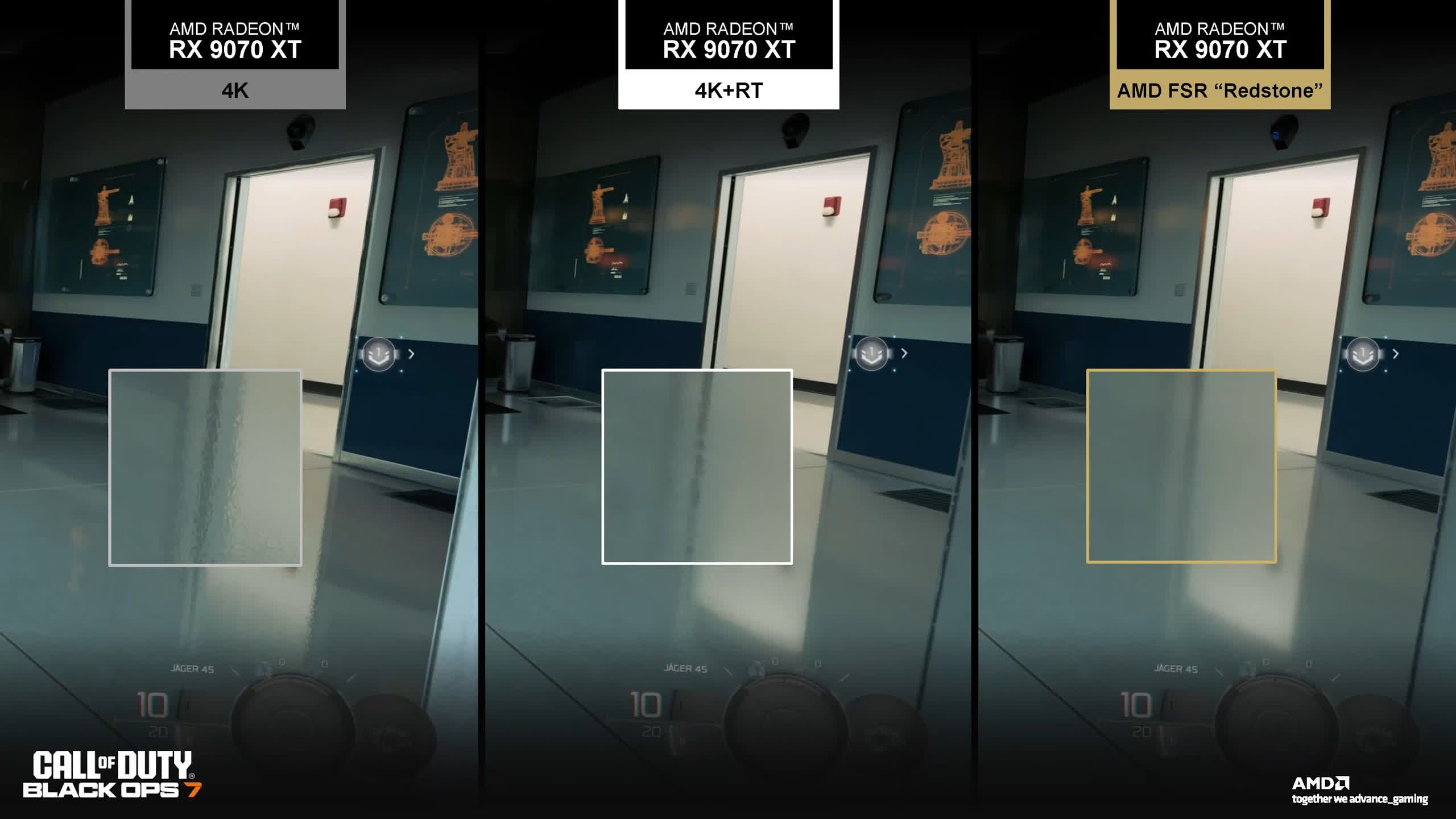
While the AMD RX 7900 XTX is undoubtedly a powerful graphics card, it has one major downside that you must consider before buying it—it doesn’t support FSR 4. FSR 4 is AMD’s answer to NVIDIA DLSS, and with the latest FSR Redstone update, it’s finally become a viable option for ray-tracing.
This could change in the future, as the recent INT8 leaks have suggested that FSR 4 might eventually become available on RDNA 3 cards.
However, development is currently on hold, and even if FSR 4 does make its way to the RX 7900 XTX, it could very likely be a downgraded version that doesn’t perform as well as it does on RDNA 4 cards, similar to the modded INT8 version available today.
This alone makes the RX 7900 XTX a much tougher sell than the RX 9070 XT, as its slight edge in raw performance doesn’t make up for the improved upscaling that can deliver higher FPS overall.
This GPU was the bargain of the century, then AMD pulled the rug
We had a good run, AMD. Why did you have to ruin it?
At the right price, the RX 7900 XTX is still a strong buy for raw performance and VRAM alone
The RX 7900 XTX is still being sold as a new card on some sites, but prices of over $1,200 make it hard to recommend over the much newer RX 9070 XT. Because of that, buying a used unit can be a far better option.
At the time of writing, I was able to find several reasonably priced used RX 7900 XTX cards on sites like eBay and Newegg in the $700 to $800 range. This puts them at roughly the same price as a new RX 9070 XT, so it’s not that great of a deal, especially given the fact that you’re not getting any warranty when buying used. Unless you need the extra VRAM for productivity, the RX 9070 XT is a much better deal.
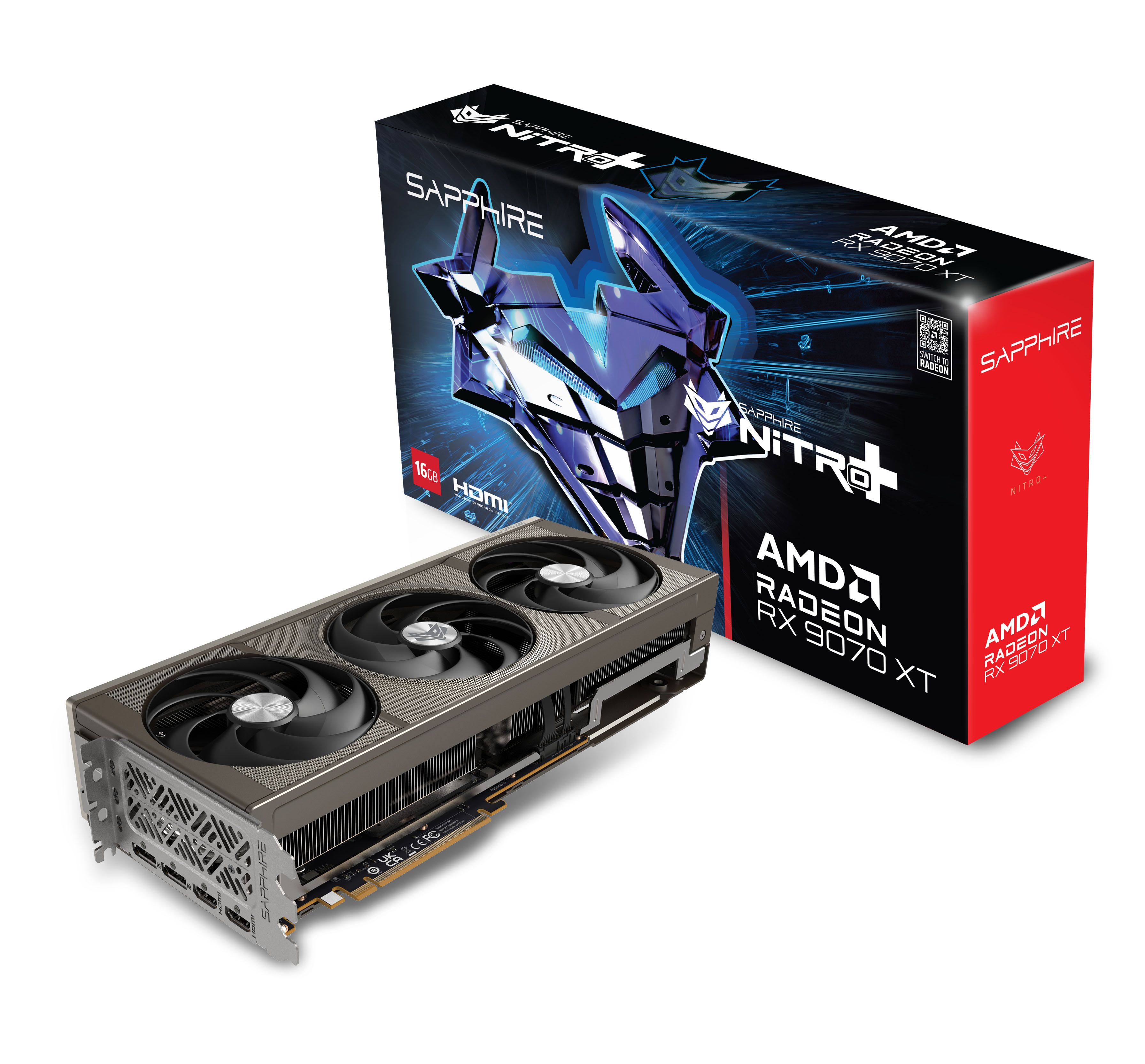
Sapphire NITRO+ AMD Radeon RX 9070 XT GPU
Cooling MethodAir
GPU Speed2520Mhz
The AMD 9070 from Sapphire features 12GB of DDR6 memory, two HDMi and two DisplayPorts, and plenty of cooling options to keep your GPU from running hot while gaming.
InterfacePCIe
Memory16GB DDR6
Boost Speed3060Mhz
However, since the RX 7900 XTX is now a few years old, there’s always a real possibility that you’ll come across a cheap unit through a friend, a local listing, or on Facebook Marketplace.
If you can manage to find one for under $600, you’d be scoring a real bargain. The card’s raw performance is still among the best in the world, and that massive VRAM buffer is something few graphics cards can match. Just make sure the card is fully functional and take all the usual precautions when buying a used GPU.
How to Buy a Used Graphics Card Without Getting Scammed
A used GPU is a great way to save money on your PC build… as long as you don’t get scammed.
