
If you read our Linux newsletter, you know that I’ve tried several desktop environments over the years. I’m yet to find one I like better than KDE Plasma, though, and these are the reasons why.
In case you aren’t familiar, KDE Plasma is a desktop environment you can use when you install a Linux or FreeBSD computer. A desktop environment is made up of all the interface elements you interact with. Think Windows’ famous task bar and start menu. Like in the case of Plasma, it can also involve various frameworks and function-extending software that improve your PC experience.
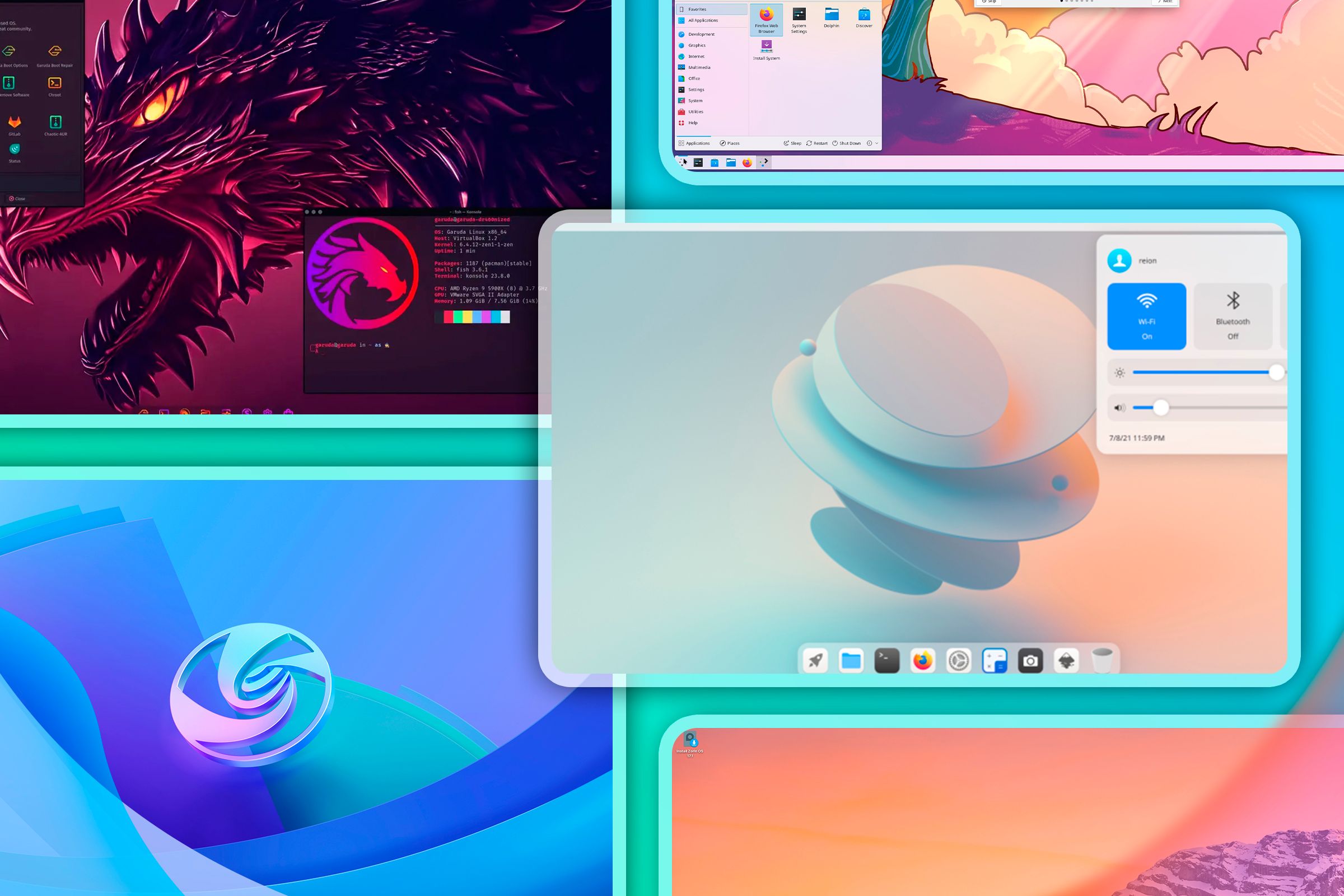
I Tested 10 Popular Linux Desktop Environments, Here’s How I Rank Them
I looked at everything from power user to lightweight desktops.
Plasma has all the power toys built-in
KDE Plasma has a ton of features built-in and available for use by default in most of the distributions that carry it. Many of these same features are supported on other desktop environments in the form of third-party projects and extensions that, annoyingly, I have to find and install myself.
For example, I use the KRunner app several times a day. It can search my PC, run commands, do calculations, find bookmarks, launch web searches, and more. GNOME and COSMIC have a few of these capabilities on their desktop search bars, and Xfce has its own launcher. I’ve not found one that stands up to Krunner, though.
KDE’s clipboard manager is also available by default, and it’s a power user’s dream. Especially given the improvements in recent updates like Plasma 6.5, the built-in clipboard manager has rididulous power. It not only keeps everything you’ve copied for easy retrieval, it can also pin frequently copied items and maintain separate clipboards.
Popular cross-platform software like KDE Connect integrates directly with the Plasma desktop in several ways, meaning it’s even better on Plasma than it is on other desktops that happen to support it. So not only does KDE Plasma feel more cohesive, it also feels more complete as a power user’s desktop from the get-go.
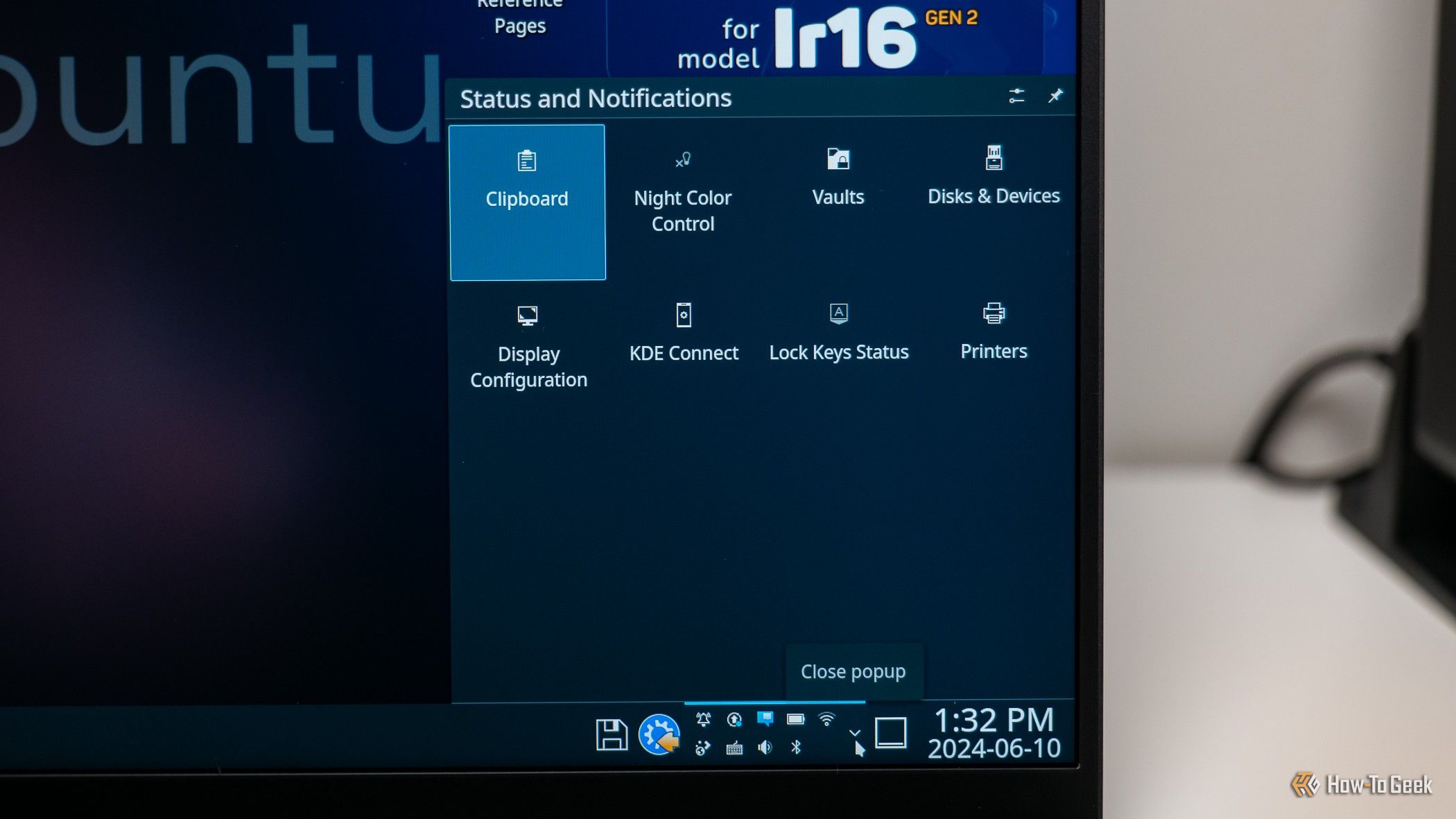
5 Linux KDE Plasma Features that Completely Changed How I Use My PC
Once you go KDE Plasma, you can’t ever go back.
It’s evolving and expanding fast
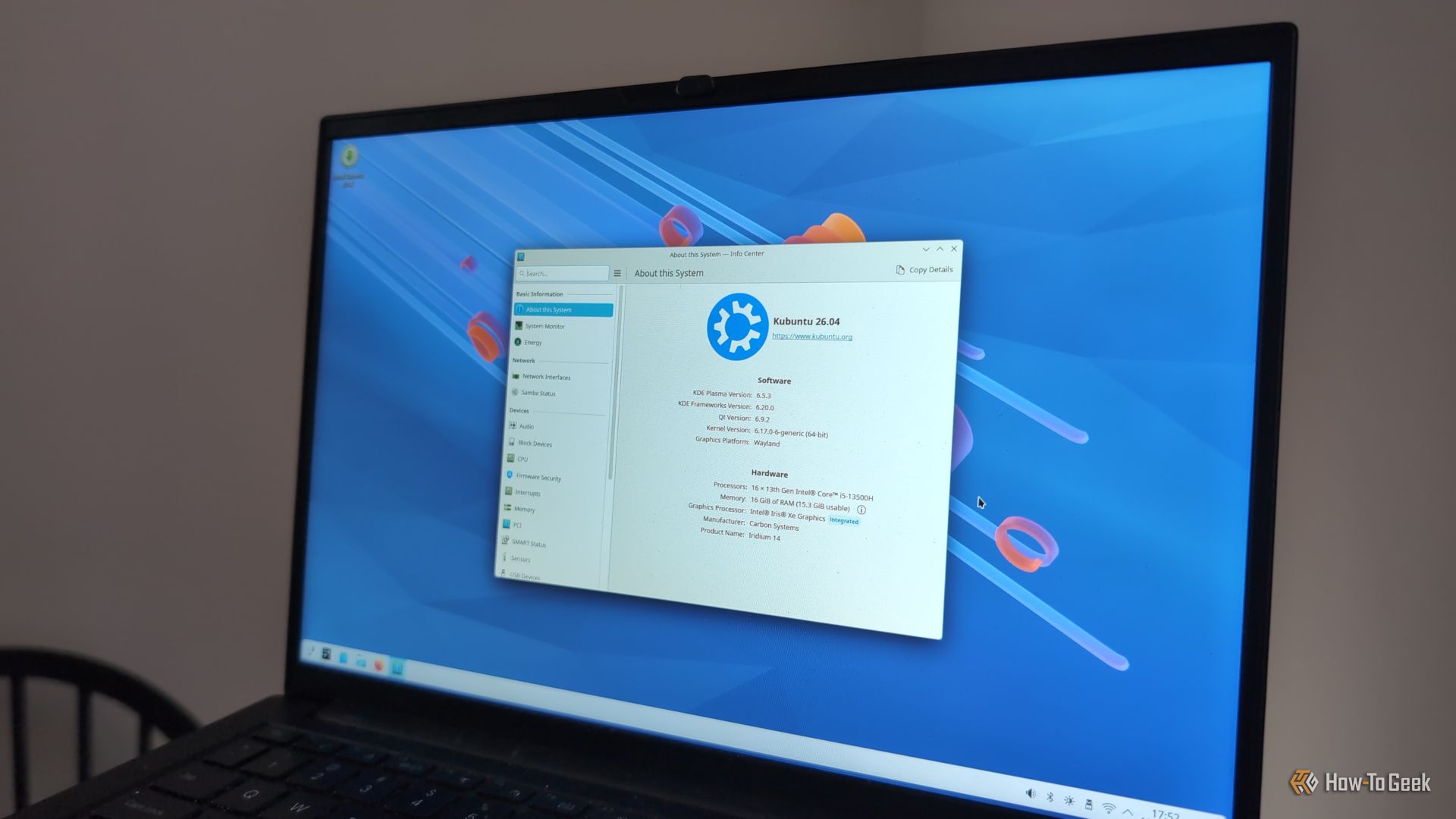
Plasma and the entire KDE ecosystem of free and open source software is expanding and improving quickly. There are new projects under the KDE umbrella popping up all the time. For example, just last week a full VR edition of Plasma popped up in draft form despite being surprisingly functional. It’s since seen even more development.
That’s not to say other desktop environments are somehow behind the times. GNOME has been on an established release rhythm for a long time, and it’s making some exciting progress. I especially like what some of the growing GNOME Circle suite has to offer.
Also, I’m not meaning to trash desktop environments with less frequent releases where stability is important above all else. Sometimes, a minimal desktop with just the essential parts you know will work is all you need.
That’s not what I need, though, and KDE has a lot of momentum, especially right now. I’m calling 2026 the year of the KDE desktop, as more distros are adopting it or setting it as their default. Popular mainstream hardware like the Steam Deck are introducing it to newcomers. An official KDE Linux distribution is set to debut in the near future.
It feels like it’s actually built for PCs
When I sometimes try competing desktop environments that aim to be modern and forward-thinking, they often feel like they’re built to accommodate touch-based workflows. While I appreciate that touch has its place and many people prefer it, I just don’t prefer that motif when I’m working on my desktop computer.
Unlike GNOME, which lends itself to touchscreens and tablets with its chunky and round elements, KDE feels optimized to let you get the most out of your desktop experience. Buttons are designed to be clicked, not mashed. There are countless KDE shortcuts to activate and manipulate what you see on screen without clicking, too.
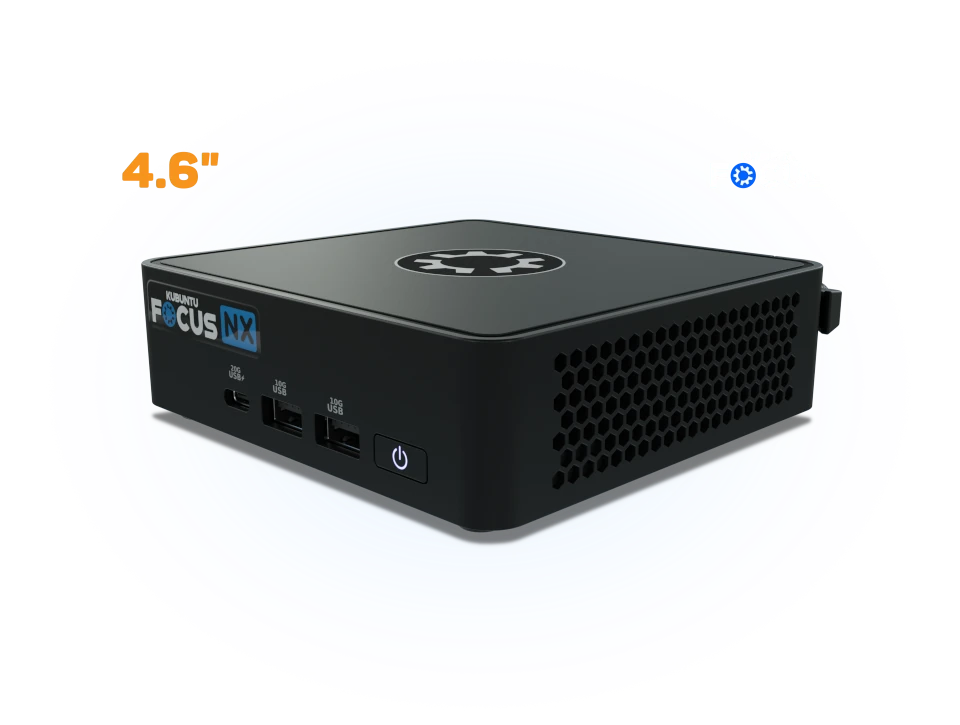
Kubuntu Focus NX GEN 3
Again, that’s not to say tough-based, gesture-driven interfaces platforms don’t have their place. Plasma Mobile exists as a separate, touch-friendly interface for when it’s appropriate. You can install it on your phone or tablet and have mobile access to the KDE ecosystem that way. Meanwhile, my desktop stays a desktop.
I wouldn’t say there’s anything wrong with other desktop environments. I’m just hard-pressed to find one that fits my workflow and style preferences as well as Plasma does.
I’m even working on finding ones I missed. For example, I just installed Q4OS with the Trinity desktop on one of my devices, and I’m interested in its throwback interpretation of what KDE started. In the meantime, I expect I’ll continue to make Plasma my daily driver desktop environment for the foreseeable future.

45